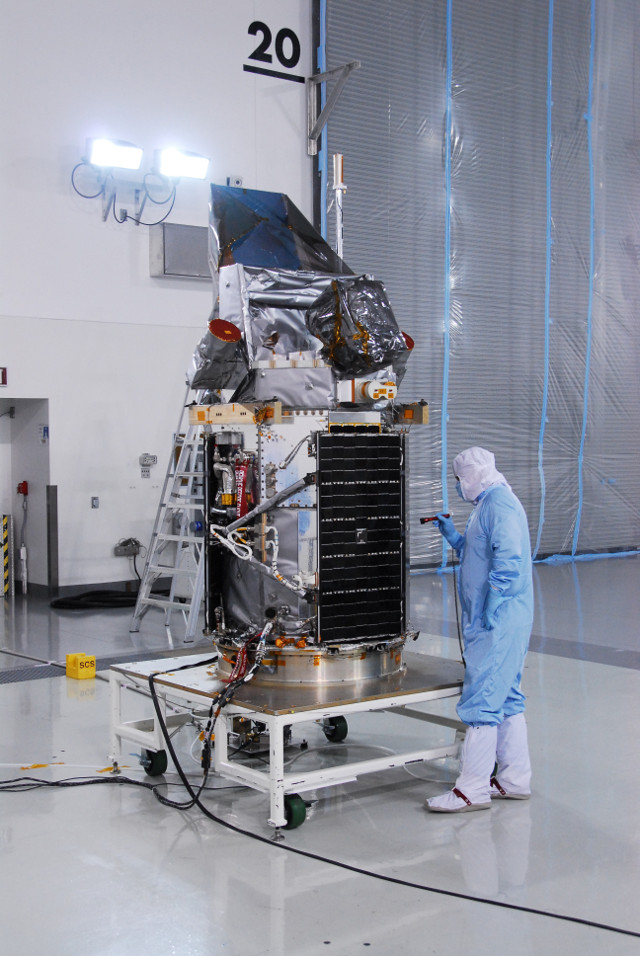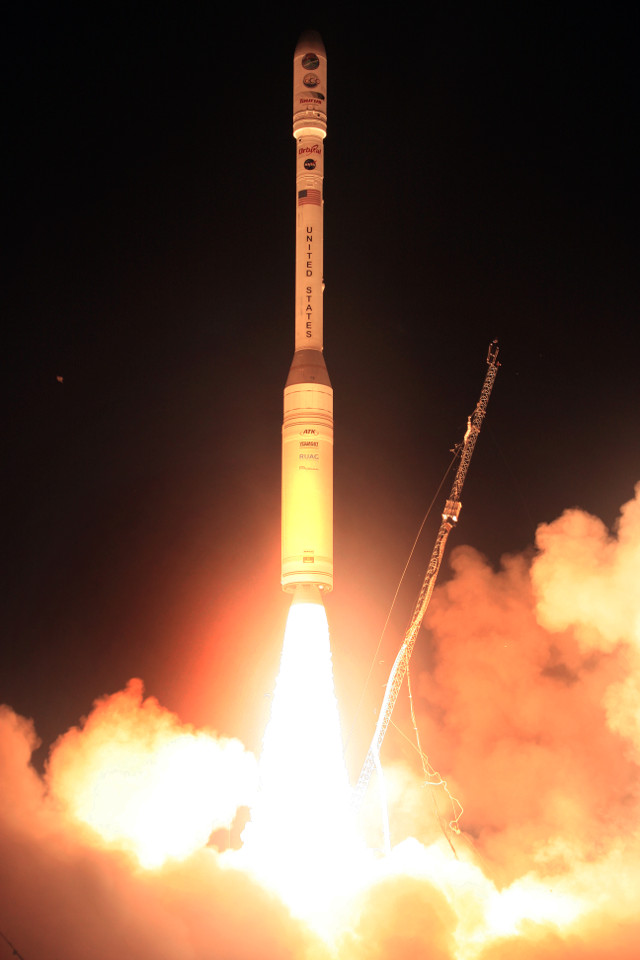
NASA’s Launch Services Program (LSP) announced the conclusions of a long investigation into the failure in the launch of its OCO and Glory satellites in 2009 and 2011. In both cases, the fairing on top of the rockets that protected the satellites didn’t separate and the extra weight caused the the satellites to fall down. The investigations revealed falsifications by the contractor Sapa Profiles, Inc. (SPI) that provided defective materials with false certifications. The investigation involved the US Department of Justice.
The OCO (Orbiting Carbon Observatory) and Glory missions were linked to research on the Earth’s climate and environment, the first one focused on measurements of carbon dioxide in the atmosphere and the second with a wider spectrum of sulphates and other aerosols detections.
In both missions a Taurus XL rocket of the then Orbital Sciences, which after some acquisitions became part of Northrop Grumman, was used for the launch but with as many failures. On February 24, 2009 in the launch of OCO and on March 4, 2011 in the launch of Glory the fairing that protected the satellites didn’t separate: it serves in the first part of the flight but when the atmosphere becomes rarefied its weight must be eliminated. In these two missions the separation mechanism didn’t work and the extra weight caused the fall of the satellites and their consequent destruction.
At the time the investigations into the causes of the two mishaps didn’t ascertain the reasons for the failures in the mechanisms that was supposed to lead to the fairing separation but NASA’s SLP continued to work on it. The conclusions are flabbergasting and the US Department of Justice was involved in the work because NASA is an institution funded with public money so the falsifications that emerged constitute a fraud against not only customers but all taxpayers.
According to the conclusions, Hydro Extrusion Portland, Inc., previously known as Sapa Profiles Inc. (SPI), together with its parent company Hydro Extrusion USA, LLC, previously known as Sapa Extrusions Inc. (SEI), provided to its customers, including NASA, aluminum extrusions that didn’t meet the characteristics that were required and certified. The stresses during a rocket’s flight are considerable, if there are parts that are not suitable to bear them the risk of malfunctions is high. In the case of NASA missions there was the loss of two satellites of the total cost of over $700 millions but falsifications against other customers emerged.
The investigations remained confidential for a long time but already in 2015 NASA suspended SPI from contracts and proposed its ban ffrom all contracts of national entities. Now the current Hydro Extrusion Portland, Inc. is banned from contracts throughout the entire US federal government. The company already pleaded in some of the disputed falsifications accepting to pay some damages but only some cases have been made known.
It’s sad to have to report this type of news, unfortunately space missions can also be ruined by companies that cut costs by falsifying certifications. As also stated by NASA, years of scientific work have been affected for this reason. The OCO satellite has been replaced by OCO-2, launched on 2 July 2014, Glory’s mission has been replaced by other instruments, important tasks for environmental monitoring that required more years of work.