Landers / Rovers

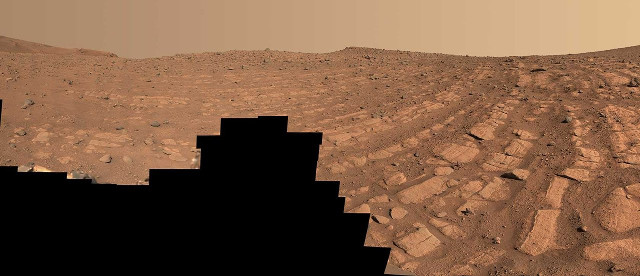
One of the craters in the area called Jau

NASA celebrated the 11th anniversary of its Mars Rover Curiosity’s arrival on Mars with relief, as in recent days, the oldest rover still in operation on the red planet has just completed its most difficult ascent due to the terrain conditions. Curiosity reached an area filled with impact craters called Jau by climbing a 23° slope where there were obstacles such as slippery sand and rocks that could damage its wheels. The mission team managing route planning spent intense weeks deciding on several detours to limit danger and wear.

The launch of Chandrayaan 3 mission (Image courtesy ISRO)

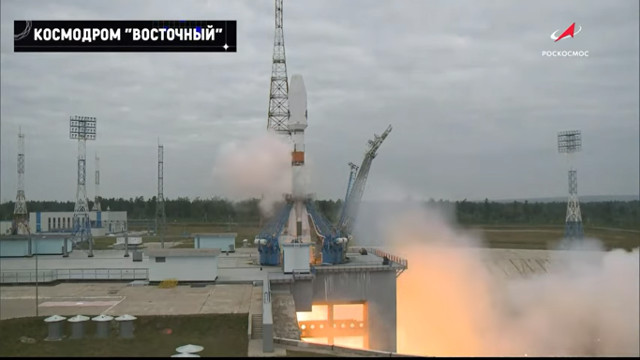
A little while ago, a GSLV Mk-III rocket blasted off from India’s Satish Dhawan Space Centre with the Chandrayaan 3 mission’s Vikram lander and Pragyaan rover. After just over 16 minutes, the vehicles separated from the rocket’s last stage to begin the series of maneuvers that will gradually stretch their orbit until they are brought into the area of influence of the Moon, where the lander and rover will land on August 23 in this follow-up to the Chandrayaan 2 mission.

Skrinkle Haven on Mars (Image NASA/JPL-Caltech/ASU/MSSS)

Images captured by the Mars Rover Perseverance in an area nicknamed Skrinkle Haven in Jezero Crater on Mars indicate the presence of a river that flowed into that crater in ancient times. The surprise is that the layers of sediments and pebbles that form what was called a curvilinear unit suggest that that river was deeper and more powerful than all other ancient Martian rivers identified so far. A hill nicknamed Pinestand about 450 meters from Skrinkle Haven may have been formed by a powerful river but scientists are assessing other explanations as well.

The surface of the Moon and the Earth in the background as seen by the Hakuto-R lander shortly before the attempted Moonlanding (Image courtesy ispace)

It was night in Tokyo when the Hakuto-R lander of the Japanese company ispace inc. attempted the Moon landing. Shortly before the touchdown, the team at the mission control center lost contact with Hakuto-R, and the last phase of the maneuver was followed only through a simulation based on the braking programming. After more than half an hour of trying to reconnect with the lander, company founder and CEO Takeshi Hakamada had to admit that he had to assume that the Moon landing could not be completed.

The Hakuto-R Moon lander and the Lunar Flashlight nanosatellite blasting off atop a Falcon 9 rocket (Image SpaceX)

A little while ago, ispace’s Hakuto-R Moon lander and NASA’s CubeSat-class nanosatellite Lunar Flashlight blasted off atop a Falcon 9 rocket from Cape Canaveral. After about 46 minutes, Hakuto-R successfully separated from the rocket’s last stage, and about 7 minutes later, Lunar Flashlight separated as well. Hakuto-R also carries two small rovers built by the United Arab Emirates and Japan. The route of what is called Hakuto-R Mission 1 will take about five months to get the lander to the Moon, where it will attempt a landing while the nanosatellite Lunar Flashlight will enter lunar orbit in about four months in search of water ice on its surface.