

Launches

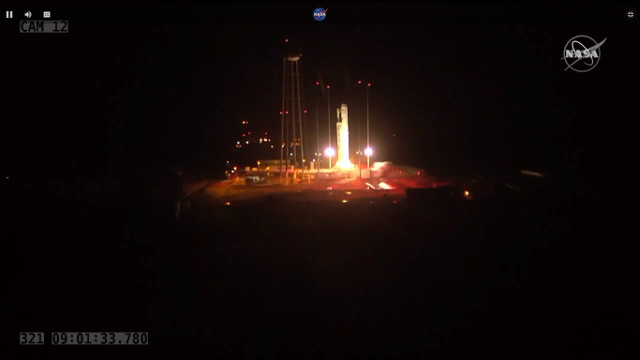
The Northrop Grumman Cygnus spacecraft blasted off for its NG-10 mission for NASA
A little while ago Northrop Grumman’s Cygnus spacecraft blasted off atop an Antares rocket from the Mid-Atlantic Regional Spaceport (MARS), part of NASA’s Wallops Flight Facility (WFF) on Wallops Island. After about nine minutes it successfully separated from the rocket’s last stage went en route to its destination. This is its tenth official mission, called NG-10 but also CRS NG-10, to transport supplies to the International Space Station for NASA.


A success for the launch of the Russian cargo spaceship Progress MS-10 to the International Space Station
A little while ago the Progress MS-10 spacecraft blasted off atop a Soyuz FG rocket from the Baikonur Cosmodrome in Kazakhstan. After about nine minutes it successfully separated from the rocket’s last stage and was placed on its route. The cargo spacecraft began its resupply mission to the International Space Station also called Progress 71 or 71P.


A success for the launch of the BepiColombo mission to Mercury
A few hours ago the two space probes of ESA and JAXA’s BepiColombo mission blasted off on an Ariane 5 ECA rocket from the Kourou base in French Guiana. Almost 27 minutes after launch, the spacecraft regularly separated from the rocket’s last stage along with the Mercury Transfer Module (MTM), which will provide the propulsion through its ion engines to transport the probes to the planet Mercury.


The launch of Expedition 57 astronauts to the International Space Station failed forcing an emergency landing
A little while ago the Soyuz MS-10 spacecraft blasted off from the Baikonur Cosmodrome in Kazakhstan with two new crew members to be transported to the International Space Station. Unfortunately, a problem with one of the Soyuz rocket’s boosters forced to abort the flight and an emergency landing. The rescued parties immediately left for the landing zone and came into contact with the crew of the spacecraft, who are fine.
