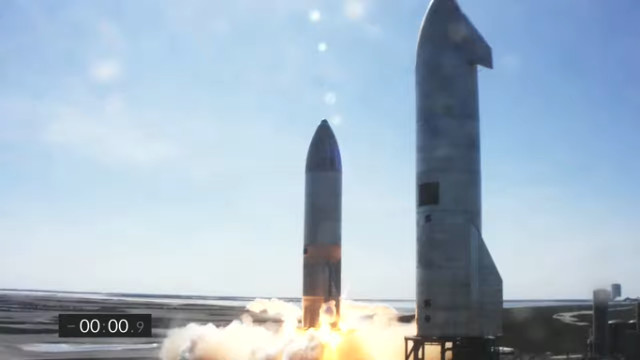
The test for SpaceX’s Starship SN9 prototype gives more good results but it ends with another bang
It was afternoon in the USA when SpaceX conducted in Boca Chica, Texas, the flight test of the Starship prototype identified as SN9, the second after the one conducted on December 9, 2020. SN9 was supposed to solve the problems of the previous prototype and it too carried out regularly its flight up to an altitude of about 10 kilometers and then attempted a controlled landing at the end of a series of maneuvers. After 6 minutes and 26 seconds of flight, like its predecessor, SN9 landed too fast and was destroyed as a result. SpaceX confirmed that its good results with regards to Starship’s maneuverability, but landing is still an issue. With the many first-stage landings of the Falcon 9 rocket, it’s making that kind of maneuver look easy, but it requires perfect systems tuning.